“Nonviolence believes that unearned, voluntary suffering for a just cause can be transformative for individuals and societies.”
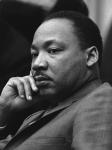
Dr. Martin Luther King, Jr.
Stride Toward Freedom: The Montgomery Story
Nonviolent organizations are able to catalyze moments of challenge and struggle – in service of a mission – into transformative experiences for individuals and groups.
Developing Your Capacity to Catalyze
Some of the research, models, and frameworks that inform my work
Energy Management
Working for positive change can be exhausting, overwhelming, and all-consuming, precisely because we care so much about the impact we hope to have. When we’re willing to sacrifice so much for the mission, we risk depleting ourselves, growing jaded, and burning out, which makes success less likely. Using Jim Loehr and Tony Schwartz’s research on energy management, I help clients explore the four kinds of energy that shape how well we perform: physical, emotional, mental, and spiritual. My clients learn how they can spend and renew each of these, both individually and collectively, stay engaged, perform at a high level, and build the resilience to weather intense and challenges periods.
Recommended Resource:
Schwartz, Tony & Loehr, Jim. The Power of Full Engagement: Managing Energy, Not Time, Is the Key to Performance and Personal Renewal.

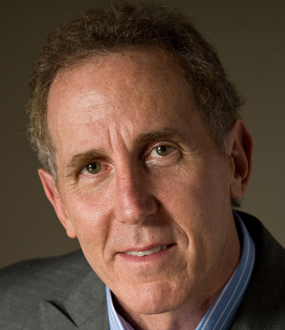
“To be fully engaged, we must be physically energized, emotionally connected, mentally focused and spiritually aligned with a purpose beyond our immediate self-interest.”
— Tony Schwartz
Public Narrative
Being able to tell your own story, your organizations story, and the story of the change you’re working toward together is essential for building power and staying connected to your individual and shared purpose. Marshall Ganz developed this approach, known as Public Narrative, through decades of work with social movements. I support clients by weaving narrative approach into every part of organizational development, from cultivating authentic leadership to tracking growth and learning over the course of a professional development program. It’s also one of the most effective ways to reconnect individuals and teams to the “why” behind their work, especially when things get hard.
Recommended Resource:
Ganz, Marshall. Organizing: People, Power, Change.
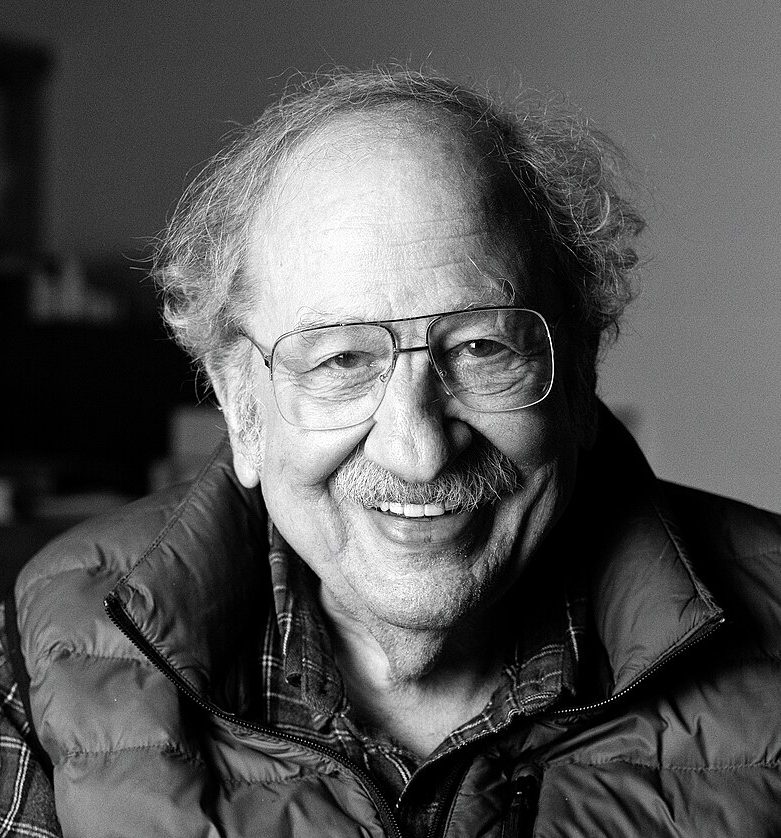
“Movements have narratives. They tell stories, because they are not just about rearranging economics and politics. They also rearrange meaning. And they’re not just about redistributing the goods. They’re about figuring out what is good.”
— Marshall Ganz
Meaning Making
In the midst of suffering and struggle, it can be hard to keep going. Our minds reach for many ways to cope, and some of them lead to unhealthy behaviors that don’t serve us in the end. Viktor Frankl survived the Nazi concentration camps of World War II and went on to develop logotherapy, an approach built on the search for meaning. His work shows that finding a sense of meaning and staying connected to it helps individuals and groups not only endure hard times but come out stronger.
Recommended Resource:
Frankl, Victor. Man’s Search for Meaning.
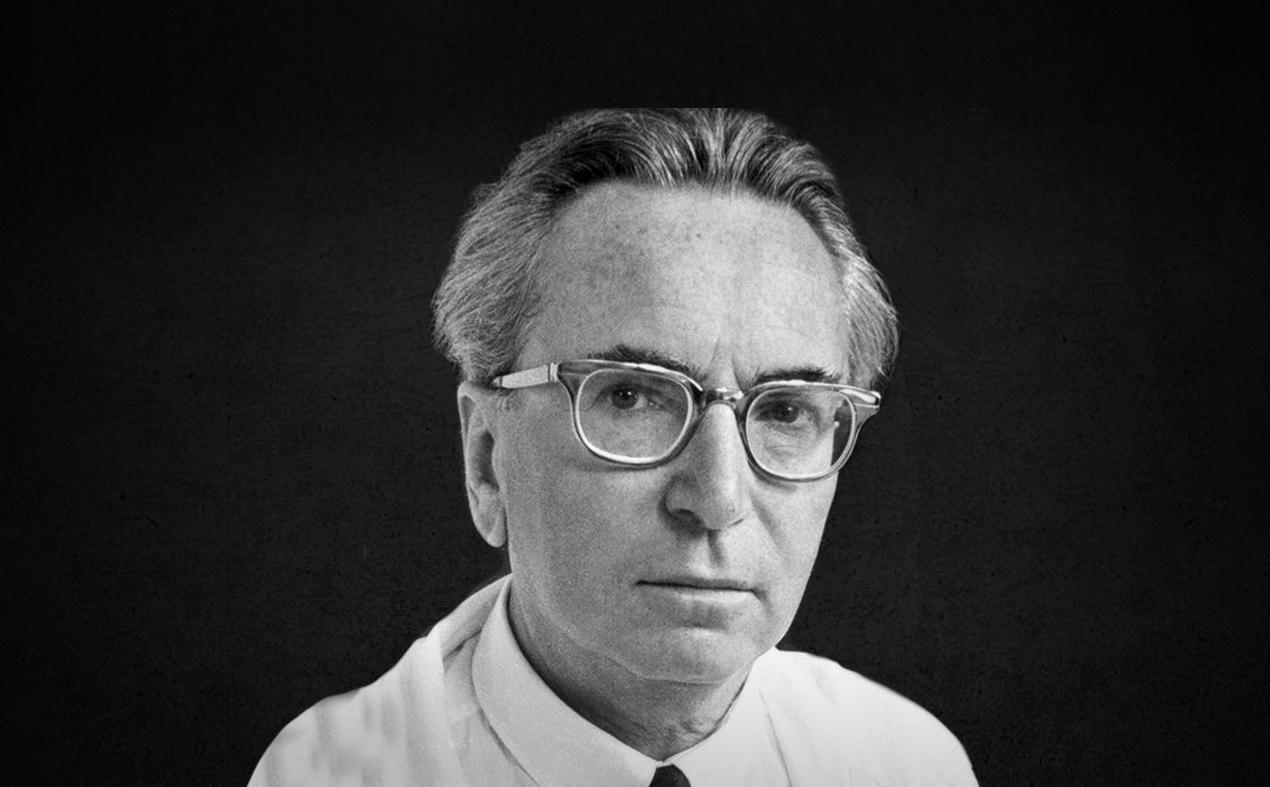
“What man needs is not a tensionless state but rather the striving and struggling for a worthwhile goal, a freely chosen task.”
— Victor Frankl
Profile in Catalyst
“You don’t have to be a leader in a movement in order to make a difference. I was not in charge of anything. I was just one of many. As long as it’s something that you believe in and you’re doing your part, then change can happen and it doesn’t have to come at your direction.”
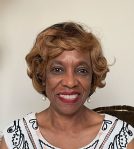
Janice Kelsey

