“Nonviolence is a way of life for courageous people. It is not a method of stagnant passivity.”

Dr. Martin Luther King, Jr.
Stride Toward Freedom: The Montgomery Story
Nonviolent organizations are able to act with courage to step out of comfort zones, take risks, challenge the status quo, and make bold choices.
Developing Your Capacity for Courage
Some of the research, models, and frameworks that inform my work
Role-playing
Teams and leaders leave our work together more confident and better prepared to take the courageous actions their work demands. I create low-risk spaces where people rehearse difficult conversations and bold decisions before they face them for real. Through practice, reflection, and peer feedback, participants refine their approach and turn hesitation into readiness to act.
Recommended Resource:
Boal, Augusto,Theater of the Oppressed

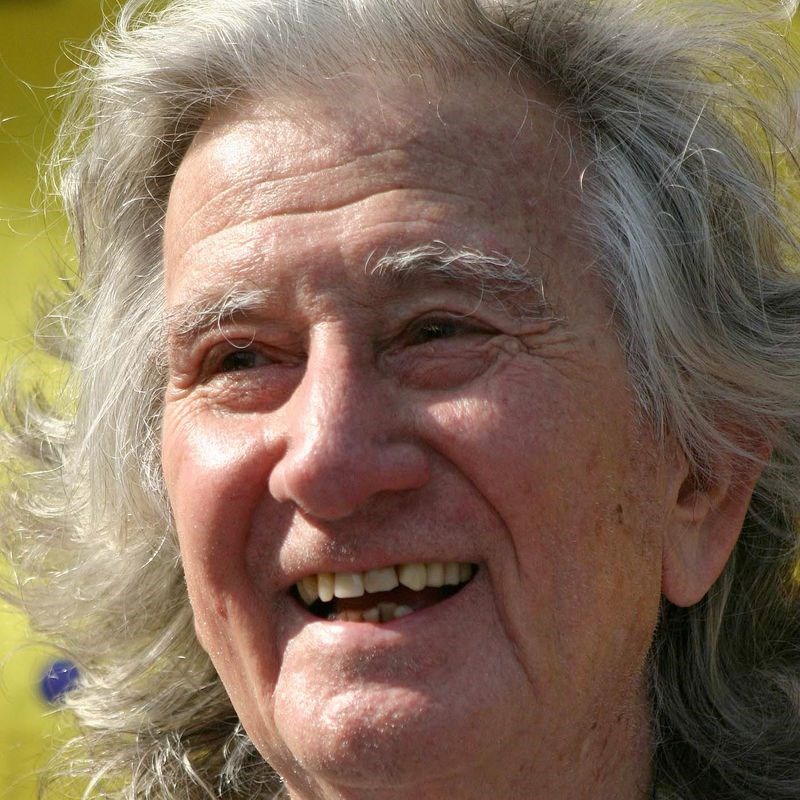
“The theater itself is not revolutionary: it is a rehearsal for the revolution.”
— Augusto Boal
Growth Mindset
Clients learn to see discomfort not as a sign of weakness but as the very place where courage and growth take root. Drawing on Carol Dweck’s research, I help individuals and teams pinpoint the specific moments when a fixed mindset holds them back. Together we build practical habits and team norms that make it easier to step into challenge with curiosity, resilience, and resolve.
Recommended Resource:
Dweck, Carol. Mindset: The New Psychology of Success

“Creating organizations that value a growth mindset can create contexts in which more people grow into the knowledgeable, visionary, and responsible leaders we need.”
— Carol Dweck
Psychological Safety
Teams become more innovative, more willing to learn from mistakes, and more ready to challenge the status quo when people feel safe to speak up. Using Timothy Clark’s The 4 Stages of Psychological Safety, I help leaders assess where their team stands across inclusion, learner, contributor, and challenger safety. Together we set norms and build practices that make courageous voices a normal and valued part of how the team works.
Recommended Resource:
Clark, Timothy. Four Stage of Psychological Safety.

“The moment we begin to devalue, objectify, or dehumanize each other, we forsake humanity.”
— Timothy Clark

