“Nonviolence seeks to defeat injustice or evil, not people.”

Dr. Martin Luther King, Jr.
Stride Toward Freedom: The Montgomery Story
Nonviolent organizations are able to embrace conflict as natural, necessary, and when managed well, a constructive opportunity to create solutions together.
Developing Your Capacity for Conflict
Some of the research, models, and frameworks that inform my work
Conflict Analysis
We often enter conflict with strong emotions and few tools for handling it well. That makes a good outcome harder to reach, which reinforces a belief many of us already hold, that conflict is bad. I support clients to break this cycle by helping them analyze their conflicts in ways that fit the context: drivers, types, levels, and styles, to name a few. When a group has a range of analytical tools and processes for understanding conflict, whether inside a team or with outside communities and partners, they can stop fearing conflict, start managing it with confidence, and embrace it as needed, natural, and constructive.
Recommended Resource:
Karp, H.B. The Change Leader: Using the Gestalt Approach with Work Groups

“When managed effectively, conflict actually becomes a vital asset in that it is a prime source of energy and creativity in a system.”
— H.B. Karp
Conflict Styles
People handle conflict in different ways, depending on how assertive or cooperative they tend to be in a given situation. Most of us have a default style, shaped by how we were raised, by what we saw at home, at school, and at work, and by the wider culture around us. I help clients become more aware of their own default conflict styles using the Thomas-Kilmann Instrument, explore what other approaches exist (competing, avoiding, compromising, accommodating, and collaborating), and then consider how they can deliberately practice the style that best fits each situation. Groups that can do this are more creative and strategic when conflict comes up, as it inevitably does.
Recommended Resource:
Thomas, Kenneth & Kilmann, Ralph. The Thomas-Kilmann Instrument
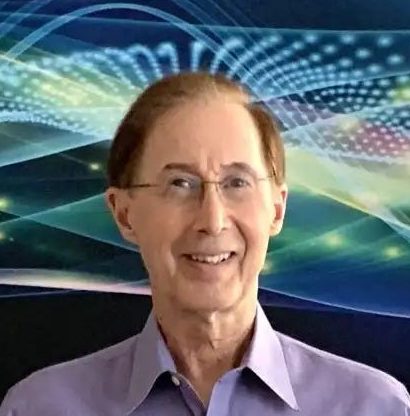
“Indeed, any conflict can be addressed with respect and dignity or can be approached with anger and malice. But even more important, conflict can be a great opportunity to create better solutions to old problems.”
— Ralph Kilmann
Nonviolent Communication
In moments of conflict, we want the other person to not just listen but to truly hear our perspective and feelings. Yet these are the exact moments when we end up expressing ourselves in ways that trigger defensiveness, aggression, or apathy in the other person. Building on Marshall Rosenberg’s Nonviolent Communication (NVC) model, I support clients with a practical way to express themselves honestly and in a way that the other person is more likely to hear with an open heart and mind. Practicing NVC gives us way to communicate in conflict with compassion, making a constructive path forward more likely, even when emotions run high.
Recommended Resource:
Rosenberg, Marshall. Nonviolent Communication: A Language of Life.
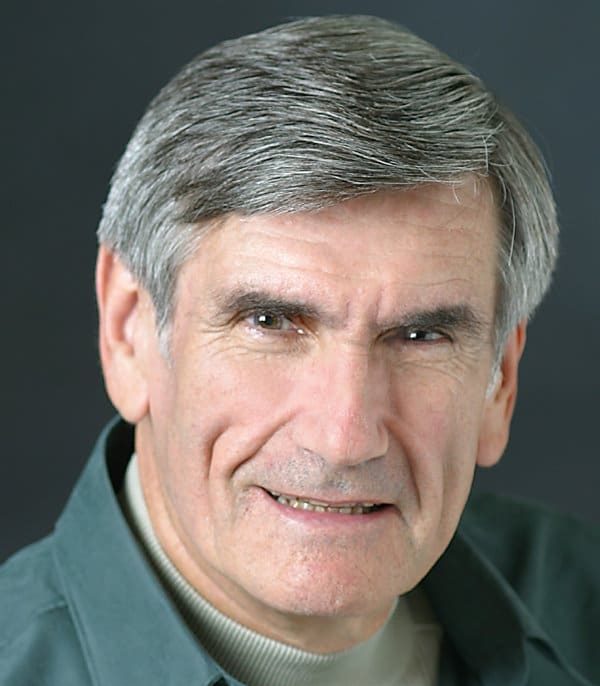
“By expressing our needs, we are far more likely to get them met than by our judging, blaming, or punishing others. ”
— Marshall Rosenberg, Ph.D.
Profile in Conflict
“I must confess that I am not afraid of the word ‘tension.’ I have earnestly opposed violent tension, but there is a type of constructive, nonviolent tension which is necessary for growth.”
Dr. Martin Luther King, Jr.
Letter from Birmingham Jail

